
Blood glucose is the concentration of glucose circulating in the bloodstream. A glucose blood test measures this value and is one of the most widely used markers for evaluating metabolic health and diabetes risk.
Under normal physiology, glucose is regulated by insulin and glucagon. After meals, insulin helps move glucose into tissues and storage pathways. During fasting, glucagon helps the liver release glucose to keep blood sugar stable between meals.
If you are designing a metabolic baseline, use a focused first-line biomarker stack and then track glucose drift against that frame.
Fasting glucose versus post-meal glucose
Fasting plasma glucose is measured after an overnight fast, usually 8-12 hours without calories. It reflects baseline glucose regulation without recent meal influence.
Post-meal (postprandial) glucose shows how high blood sugar rises after food. In clinical testing, this is often assessed with a 75 g oral glucose tolerance test and a 2-hour reading.
- 2-hour OGTT below 140 mg/dL: normal range
- 2-hour OGTT 140-199 mg/dL: impaired glucose tolerance (prediabetes range)
- 2-hour OGTT 200 mg/dL or above: diabetes diagnostic range (with proper confirmation)
Random glucose testing can also be useful when symptoms are present, but fasting values are usually preferred for trend comparability.
Typical reference ranges
- Normal fasting glucose: below 100 mg/dL; post-meal values often stay below roughly 140 mg/dL.
- Prediabetes: fasting 100-125 mg/dL, or 2-hour OGTT 140-199 mg/dL, often with HbA1c in the 5.7-6.4% range.
- Diabetes: fasting 126 mg/dL or above on repeat testing, or 2-hour OGTT 200 mg/dL or above, or random glucose 200 mg/dL or above with classic symptoms.
In most workflows, fasting glucose below 70 mg/dL is considered low and may need follow-up if persistent or symptomatic.
Glucose units: mg/dL vs mmol/L
Different regions report glucose in different units. A practical conversion shortcut is: 1 mmol/L glucose ≈ 18 mg/dL.
- 5.0 mmol/L ≈ 90 mg/dL
- 5.6 mmol/L ≈ 100 mg/dL
- 7.0 mmol/L ≈ 126 mg/dL
What high glucose levels may indicate
Persistently elevated glucose usually means blood sugar is not being cleared efficiently. Common contexts include insulin resistance, prediabetes, type 2 diabetes progression, medication effects, acute illness, or endocrine disorders.
In early metabolic dysfunction, fasting glucose can rise gradually while still near reference thresholds. That is why trend direction matters more than one isolated value.
What low glucose levels may indicate
Low glucose can occur with reactive post-meal dips, prolonged fasting, medication effects, or less common endocrine and liver-related conditions.
In people without diabetes, mild brief dips may be asymptomatic. Persistent fasting readings below 70 mg/dL, or any low readings with symptoms, should be reviewed clinically.
Why glucose trends matter
A single reading is only one moment. The trend reveals direction.
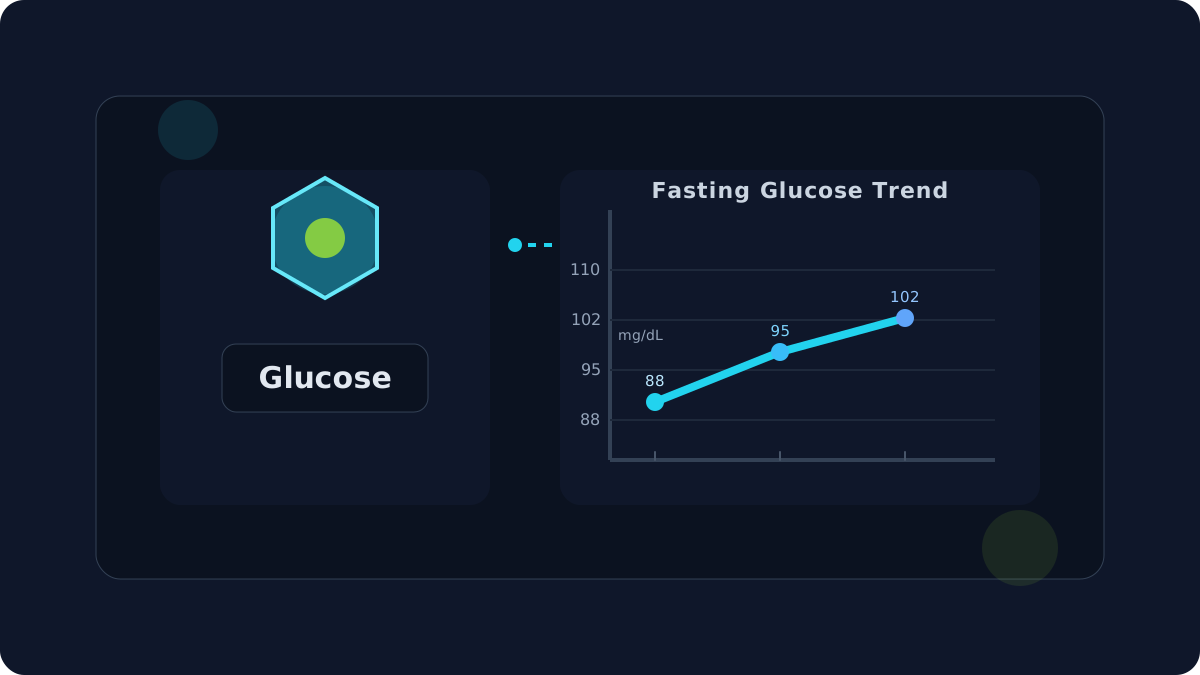
Illustrative fasting glucose trend:
- 2020 - 88 mg/dL
- 2022 - 95 mg/dL
- 2024 - 102 mg/dL
Each value may look close to normal in isolation, but a steady upward pattern may suggest declining glucose regulation and worsening metabolic context worth reviewing with insulin and HbA1c.
Trend review also helps distinguish true drift from one-off variation due to stress, sleep, illness, or testing conditions.
Glucose with related metabolic markers
Glucose interpretation is stronger when reviewed with related markers:
- Fasting insulin - high insulin with normal-range glucose can indicate early insulin resistance.
- HbA1c - reflects average glucose exposure over roughly 3 months.
- Triglycerides and HDL cholesterol - often shift in parallel with worsening glucose regulation.
Practical steps after receiving a glucose result
- Confirm fasting status and measurement units (mg/dL vs mmol/L).
- Compare the new result with prior values in one timeline.
- Review same-period insulin, HbA1c, and lipid values if available.
- Note context factors: sleep, stress, illness, weight change, and recent diet.
- Repeat testing under similar conditions for reliable trend comparison.
Why long-term tracking improves interpretation
Metabolic changes usually happen gradually. Long-term tracking helps separate minor daily variability from a true shift in glucose regulation.
Whether you use periodic fasting labs or more frequent data from glucose devices, the key question is the same: is control stable, improving, or drifting upward over time?
Final takeaway
The glucose blood test is one of the most useful metabolic markers, but interpretation rarely comes from one number alone. Its value increases when you compare repeated results and pair glucose with insulin, HbA1c, and lipid context.
Common questions about glucose blood tests
What is considered a good fasting glucose level?
Some clinicians use roughly 80–95 mg/dL (4.4–5.3 mmol/L) as an orientation range in adults without diabetes, but targets vary by guideline, age, and clinical context — always compare to your lab report.
What is a normal fasting glucose level?
For most healthy adults, fasting glucose is below 100 mg/dL (about 5.6 mmol/L). Many labs report a normal fasting interval around 70–99 mg/dL.
What fasting glucose level indicates diabetes or prediabetes?
Prediabetes is typically fasting glucose 100–125 mg/dL, while diabetes is fasting glucose 126 mg/dL or higher on repeat testing. Clinicians usually confirm elevated values with repeat fasting testing and/or HbA1c.
Does one high glucose reading mean I have diabetes?
Usually no. One abnormal reading can happen with stress, illness, sleep disruption, or testing variation. Diagnosis generally requires confirmation with repeat testing or another accepted diagnostic marker.
Should my blood sugar be measured fasting?
For fasting plasma glucose interpretation, yes. Most protocols require 8–12 hours without calories before the draw so results are more comparable over time.
What is considered low blood glucose?
Values below 70 mg/dL are generally considered low. In people without diabetes, brief dips into the high-60s can occur without symptoms, but persistent low readings or symptoms should be clinically evaluated.
Track glucose with insulin and HbA1c
If you want blood sugar trends in one timeline with insulin, HbA1c, and lipids, MedicalHistory can help you organize and compare metabolic results over time.